
Calculating the useful life of your EHR - is it possible?
An EHR’s useful life is an important consideration when calculating long-term ROI and the timeframe for replacement. However, it isn't as easily measured as the depreciation of medical equipment.
What is EHR useful life?
An EHR’s useful life refers to the period during which the system delivers value to its user. More specifically, it can either:
- Refer to the length of time the EHR will be serviceable and supported by the vendor.
- Define how long the system can effectively meet the healthcare provider's operational needs before requiring repair, upgrade, or replacement.
Unlike medical devices that show signs of physical wear and tear, EHR systems don’t degrade physically. Instead, their decline stems from software obsolescence, changing practice needs, or regulatory shifts that make the system less functional or compliant over time.
Calculating useful life
Both accepted accounting practices and Federal guidelines provide a framework for calculating the useful life of healthcare-related assets, including EHRs. When calculating the useful life of an EHR, key factors include:
- Wear and tear (though more applicable to hardware).
- Obsolescence due to technological advancements or regulatory changes.
- The healthcare provider’s repair and replacement policies.
While factors like wear and tear apply primarily to medical hardware, the two most significant influences on EHR useful life are:
- Obsolescence due to economic and technological changes.
- The provider's policies for repairs and replacements.
Use this EHR pricing guide to start building a budget and calculating potential ROI for new software
Regulatory compliance and meaningful use
When new Meaningful Use or interoperability requirements emerge, EHR systems must comply or become irrelevant. The useful life of an EHR should align with any future regulatory deadlines.
Cost of operation vs. value
Another way to measure the end of an EHR’s useful life is when the cost of maintaining the software exceeds the value it provides. For instance:
- Rising maintenance costs that are no longer sustainable for the practice.
- Productivity losses due to poor EHR performance or usability issues.
When the system's cost to the practice becomes unjustifiable, it’s time to consider a replacement.
Vendor replacement cycles
An EHR's useful life can often be assessed by the vendor’s replacement schedule. Many software providers have set timelines for releasing new versions or phasing out older systems. When your EHR provider announces an end-of-support date, the system's useful life is effectively determined.
Conclusion
While calculating the useful life of an EHR may seem challenging due to the intangible nature of software obsolescence, it is by no means impossible. By evaluating regulatory changes, practice needs, and cost-effectiveness, healthcare providers can establish a timeline for when their EHR will need replacement. Doing so allows for better financial planning and ensures that the system continues to meet the evolving demands of modern healthcare.

Free white paper

EHR Pricing Guide
Get your complete guide to EHR software pricing and project costs. Your headstart on EHR pricing research

Featured white papers
-

EHR Vendor Directory
Get the most up-to-date directory of EHR software vendors. Find the best software for your practice.
Download -

Related articles
-
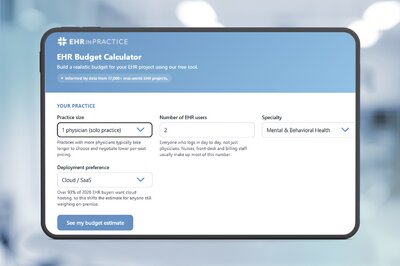
EHR costs & how to set your budget (includes budget calculator)
Build a realistic, workable budget for your EHR project with this guide (includes a free EHR budg...
-

Introducing "Actions": The AI-Powered Tool That’s Transforming Primary Care Workflows
70% of clinicians are reporting better focus & engagement with their patients thanks to Elation H...
-

To upgrade or to modify? That is the legacy EHR question
As an EHR system gets older, issues will more than likely arise. Then you must ask the question, ...